Sir Craig Reedie . . . IOC veteran who saw sport for what it could mean and achieve
LONDON: Sir Craig Reedie, who has died at 84, leaves a legacy spanning decades, continents and nearly every facet of athletic governance.
Reedie’s journey into the heart of sports administration began not in a boardroom, but on the badminton court. A double Scottish men’s doubles champion, he understood the physical and mental rigors of competition from the inside out.
It was this foundational experience as an athlete that informed his later roles; he was never merely a suit in a committee room but a former competitor who viewed every policy decision through the lens of how it would impact those on the field of play.
For many in the United Kingdom, Sir Craig will be remembered as a primary cornerstone of the nation’s modern sporting renaissance.
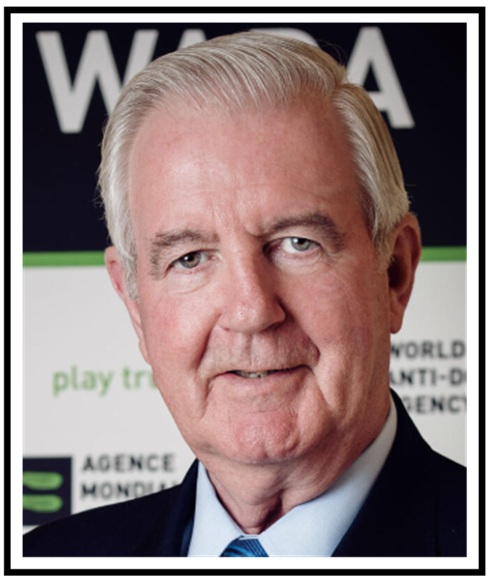
As chair of the British Olympic Association from 1992 to 2005, he presided over a transformative era. When he took the helm, British Olympic fortunes were at a low ebb. Through a combination of strategic vision and relentless advocacy, he helped modernise the BOA and pave the way for the professionalisation of Olympic elite sports in Britain.
His crowning achievement in this role was undoubtedly the successful bid for the London 2012 Olympic and Paralympic Games. Reedie was a key member of the bidding team, using his extensive international network and quiet diplomacy to convince the world that London was the rightful stage for the XXX Olympiad.
The roaring success of those Games remains a testament to his foresight and his ability to inspire collective action.
Reedie’s influence, however, was never confined to British shores. In 1994, he was elected to the International Olympic Committee, beginning a tenure that would see him rise to the position of vice-president. Within the IOC, he was known as a voice of reason and a bridge-builder. He possessed the rare ability to navigate the complex, often turbulent waters of international sports politics with a dry, Scottish wit that could defuse even the most tense negotiations.
WADA role
Perhaps his most challenging and significant contribution came during his presidency of the World Anti-Doping Agency from 2014 to 2019. It was a period defined by some of the greatest crises in the history of clean sport.
Reedie led the organisation through the investigation of state-sponsored doping programmes, a task that required administrative fortitude. His commitment to the “clean athlete” never wavered. He championed the evolution of testing protocols and the strengthening of the anti-doping code.
He was a mentor to countless young administrators, always willing to share a piece of advice or a story from his long career. He remained deeply connected to his roots, often returning to Scotland and maintaining a lifelong passion for the sports that started it all. He believed that sport, at its best, could transcend borders and personal differences. He saw the Olympic rings not just as a brand, but as a promise of a better, more cooperative world.
Reedie’s impact is visible every time a British athlete stands on a podium, every time a clean competitor celebrates a fair victory, and every time the Olympic flame is lit.
## ## ##