McDonald’s not lovin’ it any more as fast food giant ends World Cup deal
KEIR RADNEDGE REPORTS: McDonald’s has announced it will conclude its long-running partnership with the FIFA World Cup, bringing to an end a 32-year relationship that transformed the Golden Arches into one of global football’s most recognisable pitchside icons.
The fast-food giant’s decision to walk away from international football’s premier showpiece marks a major strategic pivot. Since first joining FIFA’s roster of corporate partners for the 1994 World Cup in the United States, McDonald’s has served as a central pillar of matchday culture, funding player-escort programs, sponsoring fan zones, and maintaining exclusive rights to the tournament’s official Fair Play Trophy.
The move comes as part of a broader marketing overhaul designed to modernize consumer engagement. Marketing executives at the Chicago-headquartered chain are reportedly shifting focus from mega-event sponsorships to hyper-localised campaigns, digital-first initiatives, and targeted loyalty-app rewards.
“Mega-sponsorships like the World Cup provided unmatched global reach for decades,” said senior sports marketing analyst Helen Vance. “However, the modern consumer landscape demands greater agility. Brands are reallocating capital away from nine-figure event fees toward digital ecosystem engagement, creator partnerships, and direct-to-consumer loyalty activations that deliver clearer ROI metrics.”
The decision mirrors McDonald’s 2017 exit from its 41-year TOP partnership with the International Olympic Committee, signalling a definitive trend away from broad multi-sport governing bodies.
For football’s global governing body, the exit of another multi-decade sponsor underscores a broader transformation in FIFA’s commercial strategy. Under its restructured sponsorship model, FIFA has systematically reworked its commercial tiers to accommodate tech platforms, sovereign wealth assets, and international fintech firms willing to command higher rights fees.
While McDonald’s extended its contract in May 2023 to cover both the 2023 FIFA Women’s World Cup in Australia & New Zealand and the expanded 2026 World Cup across North America, the conclusion of this cycle presented a natural stopping point for both parties.
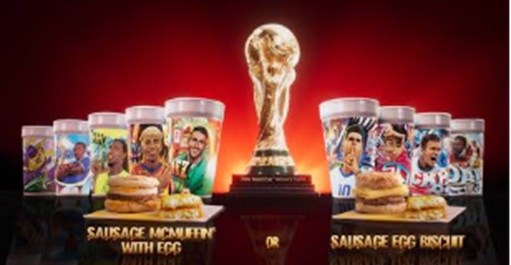
For fans worldwide, the departure marks the close of a familiar chapter in World Cup history. For over three decades, children leading players onto the pitch in McDonald’s gear, limited-edition promotional meals, and pitchside LED boards during tense knockout matches were fixtures of the World Cup experience.
###