UEFA U-turn as Ceferin decides he wants to stay on as president
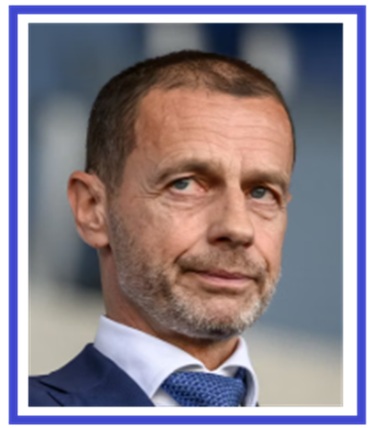
KEIR RADNEDGE COMMENTARY —- Aleksander Ceferin has confirmed he will stand for a fourth and final term as president of European football federation UEFA – reversing his previous vow to step aside.
The 58-year-old Slovene lawyer announced his candidacy after a member associations’ meeting in Berlin, citing a unanimous petition from UEFA’s 55 member associations requesting that he extend his leadership.
If confirmed at the upcoming UEFA Ordinary Congress in Astana, Kazakhstan, Ceferin will maintain his grip on European football’s governing body through 2031, completing a fifteen-year tenure that began in the wake of scandal.
No-one ie expected to challenge Ceferin, particularly at a time when UEFA is daggers-drawn with world body FIFA and casting around for a candidate to challenge its own supremo Gianni Infantino.
Ceferin had previously stated in early 2024 that he would not seek another four-year spell, even after pushing through statutory changes that technically made a fourth term legally permissible.
At the time, he emphasised family commitments and a desire for fresh leadership within European sports administration.
However, representatives from member federations made concerted efforts behind closed doors to convince him to stay on. Addresssing delegates in Berlin, Ceferin expressed gratitude for the collective vote of confidence, emphasising that the ongoing modernization of European competitions and persistent external political pressures demanded continuity at the top.
He said: “We have faced extraordinary challenges over the past years, and we have faced them as one team. There is still important work ahead, and I have therefore accepted their request to keep European football united.”
Tough times
First elected in 2016 after the departure of former chief Michel Platini, Ceferin’s leadership has been defined by high-stakes turbulence.
He guided UEFA through the global pandemic, oversaw the restructuring of the Champions League into a expanded Swiss-system format, and led the successful public counter-offensive against the breakaway European Super League proposal.
His decision to remain at the helm also reinforces UEFA’s position in wider global football disputes.
The European body has frequently clashed with FIFA leadership over international calendar expansion, club world championship formats, and governance reforms. European federations view Ceferin as a vital counterweight on the global stage.
###